
 Founder’s Note
What a Former CIA Director Taught Lotus Neuro About Being Wrong
At our year-one strategy session, Michael Morell, former deputy and acting director of the CIA, shared how analysts make high-stakes calls on incomplete data, and why intellectual humility matters most.
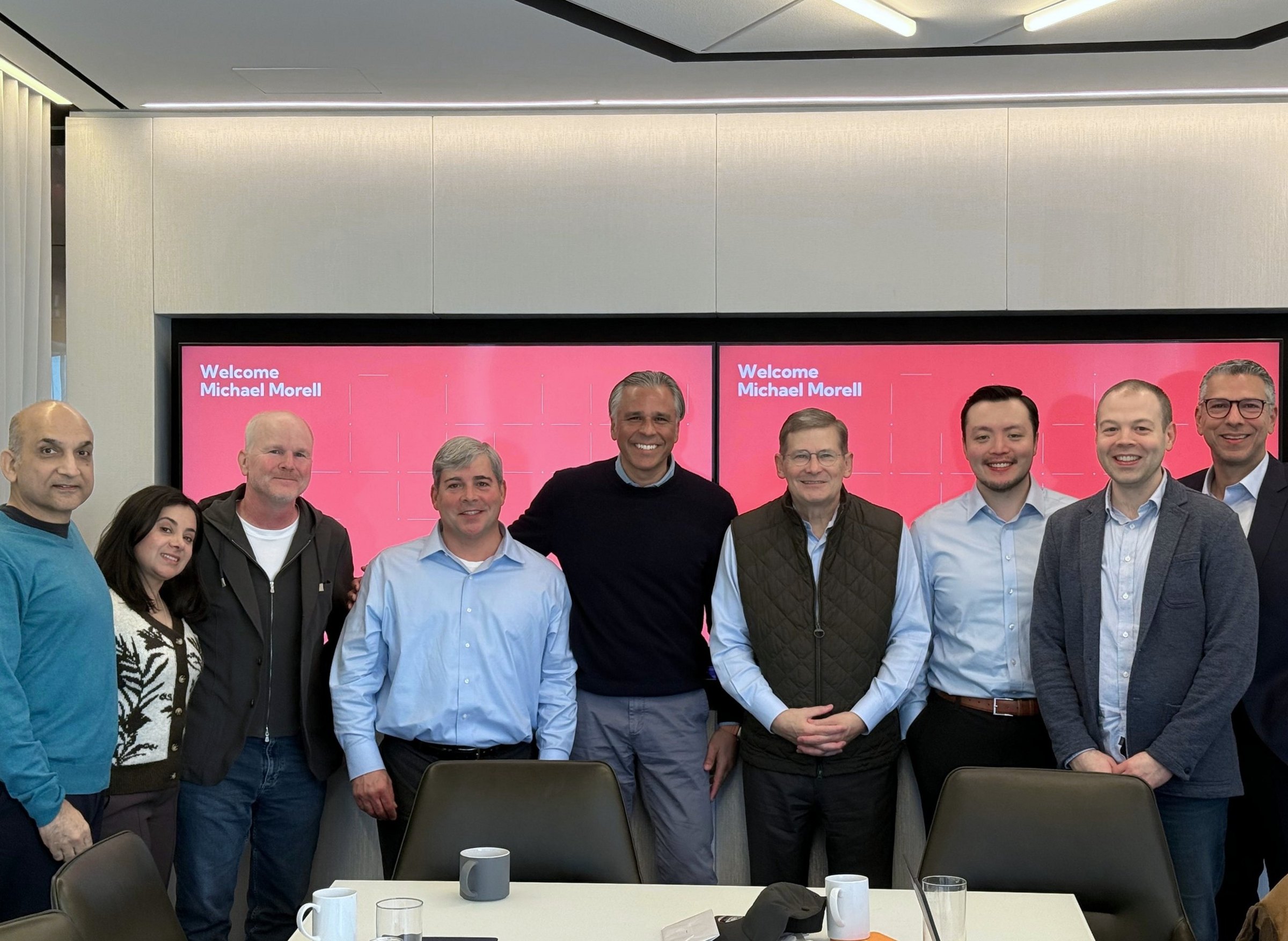
Lotus Neuro turns one on December 15. This week we opened our strategy session with Michael Morell, who spent 33 years at the CIA, starting as an analyst and later serving as deputy and acting director.
When building a new company in biotech, our daily responsibility is to make decisions based on a developing set of incomplete data points. Michael spent his career doing the same thing with far higher stakes, and he happened to be in the room at both ends of the hunt for bin Laden.
On the morning of September 11, he was traveling with President Bush. By the time they were on Air Force One, he had three data points: a phone call in the motorcade about a plane hitting the World Trade Center, word from the CIA that it was a large commercial jet, and the second plane on a TV in a Florida classroom. The President asked him who did it. Michael told him he had nothing that would name a perpetrator with confidence, then gave his best guess, al-Qaeda, based on years of tracking bin Laden and the intelligence context around a series of previous attacks: the embassy bombings in East Africa, the USS Cole, and Khobar Towers.
Ten years later he was in the Situation Room with President Obama, weighing a compound in Abbottabad. The evidence was circumstantial: high walls, no phone or internet, trash burned instead of collected, and a third family that never left. Asked how likely it was that bin Laden was there, the analysts said 95% and 80%. Michael said 60%. Everyone had the same intelligence. The two analysts who were higher had joined after 9/11 and had seen a decade of counterterrorism wins. Michael’s history included Iraq, and he told the President the WMD case had been stronger than this one. Obama made the call anyway. After the raid, his first phone call was to President Bush, and he sent Michael to Dallas to brief him.
Neither president got certainty. What they got was a judgment, an honest level of confidence, and context. That’s the analyst’s job, and I’d say it’s ours too.
Michael names two traits the CIA hires analysts for. One is intellectual curiosity. The other, which he ranks higher, is intellectual humility: assume every judgment is wrong by some amount, then work out whether it’s five degrees or 180.
Most of what gets in the way is bias, and the shortcuts our minds take are predictable. Anchoring lets an old fact shape the present. Confirmation bias filters every new data point through that anchor. Lessons-learned bias pushes you to avoid repeating the last mistake, even at the cost of making the opposite one. Hopefulness leads you to see what you want. Finally, experience colors how each person reads the same data. Only through insightful questions and intellectual humility can a decision maker begin to filter out bias from fact.
Our team left with a few reflections that we’ll take forward in practice:
- Hear the most junior person first.
- State your confidence separately from your conclusion.
- Ask what single piece of information tomorrow would change your mind.
- Treat “I don’t know yet” as a strong answer.
We gave Michael a hat with our first core value, Lead with Love. Surprisingly, he said love is core to the culture of the CIA, and that leading with love is how he became a successful leader in the agency.
My question for any founder, and especially for year two of Lotus: what decision is your team most sure of right now, and how wrong could it be?
JJ
Arjun “JJ” Desai, MD · Founder and Chief Executive Officer, Lotus Neuro